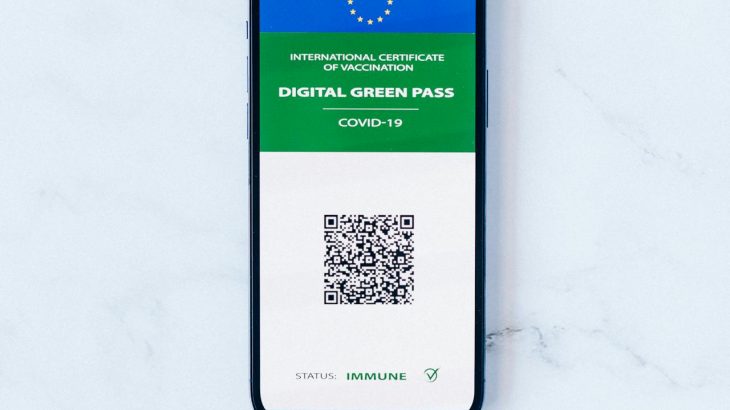
Digital ID: the Pitfalls & How to Build a Better Path Forward
Digital identity systems promise convenience, security, and smoother access to services. From unlocking your phone to proving your age online, they’re becoming woven into everyday life. But as societies move closer to fully digitized identity infrastructures, it’s essential to examine the risks lurking beneath the surface.
The following outlines the most significant pitfalls of digital ID, their implications and the measures that can be taken to avoid them.
What is Digital ID
A digital ID is the electronic equivalent of an individual’s identity card. A digital ID can be presented electronically to prove an individual’s identity and their right to access information or services online.
Digital IDs, also known as digital certificates, are electronic documents that use a digital signature to bind together a public key with an identity – this information can be a person’s name or the name of an organization, etc. The certificate is used to confirm that a public key belongs to a specific individual. A Digital ID is issued by a Certification Authority (CA) and signed with the CA’s private key.
Around the World
More than four years have passed since Apple announced that its Wallet app could store digital US driver’s licenses, a move that was widely viewed as a turning point for mobile identity. But nationwide adoption has lagged far behind the early hype.
At the time of the announcement, only two U.S. states had signed on. Today, that number has grown, but not by much: just 11 additional states, along with Puerto Rico, now issue licenses compatible with Apple Wallet. Competing platforms haven’t fared significantly better. The Android-based digital ID initiative within the Google Wallet app supports 10 states, while the identity feature in Samsung Wallet works with six. About 25 states in the U.S. now either are piloting or have already launched a mobile driver’s license program.
The fragmentation extends beyond tech-company partnerships. Some states absent from any major wallet ecosystem, New York among them, have launched their own standalone digital ID apps for both iOS and Android and with mixed reviews.
Canada, meanwhile, has yet to introduce digital driver’s licenses in any province. The federal government is evaluating a voluntary nationwide digital ID framework, but no timeline has been announced.
Australian states such as New South Wales, Queensland, and Victoria already issue digital driver’s licenses. In Europe, preparations are underway for legislation that would require a unified digital identity standard across all EU member states. Several Asian countries have similarly moved ahead with standardized digital-ID infrastructure. The Nordic region continues to lead with established systems including Estonia’s e-ID and Sweden’s BankID.
In the UK, Gov.UK has not yet been launched but it could eventually allow citizens to store their digital ID – including name, date of birth, nationality and residence status, and a photo – on their smartphones.
The Pitfalls
1. Data Centralization: A Single Point of Failure
Digital ID systems often require individuals to share extensive personal information, which is stored in centralized databases vulnerable to hacking, abuse, or government overreach. The more centralized and interoperable these systems become, the more they create a single point of failure – a target-rich environment for cybercriminals and a powerful tool for state surveillance.
A breach doesn’t just expose one password; it can unravel an entire digital life. Centralization also raises surveillance concerns, especially when systems interface with public institutions like those overseen by the European Commission. Without strong safeguards, the same architecture that enables frictionless access can enable frictionless monitoring.
2. Every Login Leaves a Footprint
Unlike a physical ID check, which usually leaves no record, a digital ID authentication can generate metadata each time it is used. This metadata may include the time, location, and purpose of the interaction. Over time, these records can create a detailed profile of a person’s behavior. Even when companies such as Apple prioritize user privacy within their ecosystems, the very nature of digital verification means that some level of data footprint is inevitable. These traces can be stored, analyzed, and potentially misused.
3. Biometrics Are Passwords You Cannot Change
Biometric information, such as fingerprints and facial scans, is increasingly integrated into digital identity frameworks because it offers convenience and speed. However, biometrics introduce a serious downside: they cannot be changed if they are stolen or compromised. As deepfake technologies and spoofing techniques become more sophisticated, this permanence becomes a significant vulnerability. Tools embedded in widely used devices produced by companies like Samsung amplify the scale of potential biometric exposure. Once a biometric identifier is leaked, it remains compromised indefinitely.
4. Digital Identity Risks Leaving People Behind
Digital ID systems assume that users have access to reliable technology. Many people do not own smartphones, do not have stable internet connections or are not comfortable navigating digital platforms. If governments or businesses make digital identity mandatory, these individuals could be excluded from essential services such as banking, healthcare, or travel. The convenience offered to many could unintentionally create obstacles for those who are already vulnerable.
Building a Better Path Forward
Digital identity can offer enormous benefits, but only if it is designed and implemented with care. A responsible digital-ID future requires systems that prioritize privacy, minimize data collection, and avoid unnecessary centralization. It should also include open standards, independent audits, and clear legislation that prevents any broadening of its remit. Offline alternatives must remain available so that no one is excluded, and users must be educated about how digital identity works and what risks it carries.
Digital identity can indeed make life easier, but convenience should never come at the cost of security, autonomy, or fairness. With thoughtful planning and meaningful safeguards, societies can embrace digital identity without sacrificing the rights and protections that matter most.
Monitoring Remote Sessions
Security monitoring is crucial for preventing ransomware attacks as it enables early detection, identification of vulnerabilities, monitoring for anomalies, data protection, and compliance with regulatory requirements.
RecordTS will record Windows remote sessions reliably and securely for RDS, Citrix and VMware systems. Scalable from small offices with one server to enterprise networks with tens of thousands of desktops and servers, RecordTS integrates seamlessly with the native environment.